
Suva, December 10, 2020– If there is one major change enforced by COVID-19, it has been the increased use of digital technology to continue operations. In the Pacific region and like the world all over, e-commerce is now relevant more than ever. “Our customs officers need to quickly learn how to adapt to these changes and at the same time ensure there is sufficient fiscal revenue to support governments,” OCO Acting Head of Secretariat, Irma Daphney Stone said.
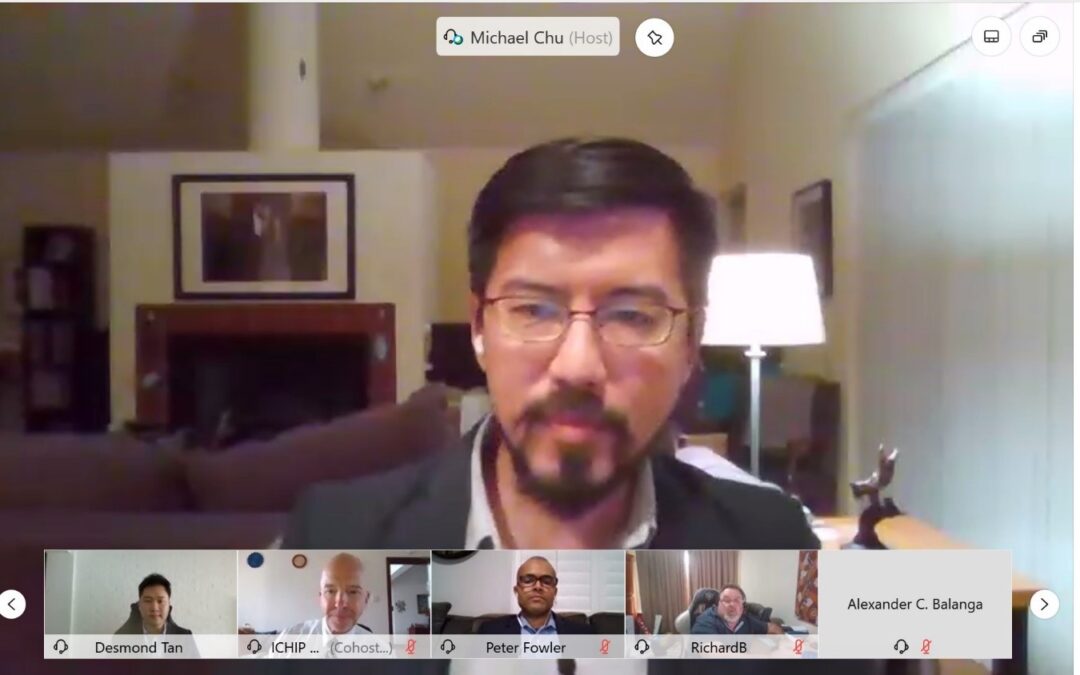
 OCO and its members are continuing to benefit from the US Department of Justice (USDOJ) – International Computer Hacking and Intellectual Property (ICHIP) and the US Patent and Trademark Office (USPTO) webinar series on COVID-19 crimes as well as a series on the dark web. The OCO Head of Secretariat, Mr. Richard Brennan also presented during one of the sessions on OCO USPTO’s partnership. “These webinars assist to build the capacity of our customs officers to identify risk areas to focus on,” Mrs. Stone said. “The webinars discussed various issues such as ways to manage fraudulent websites and techniques to use when switching from border enforcement to criminal enforcement.” The officers were also educated on intellectual property rights, enforcement against COVID-19 related crimes, and enforcement against the trade in counterfeit goods.
“The webinar sessions were indeed very informative and interesting, particularly on how organized criminal or crime syndicates operate in the US and the reality that smaller island countries like Fiji are also vulnerable to illegal activities as such,” Fiji Revenue and Customs Service Senior Customs Officer, Laisa Naulumatua said. “I was particularly interested in the Dark Web and Business Email Compromise (BEC) Investigation presentations. The sessions were also an eye-opener as the presentations clearly emphasized investigation techniques and mechanisms in place that were executed resulting in successful prosecution. Even as we consider that the US is amongst the leading nations in the world, there is no restriction as to where or how criminal syndicates can target or what controls are in place that they can infiltrate.”
The first series of webinars were held from May to July followed by another series held from 14 October-18 November as well as the current one running from the 30th November to the 16th December, with participation from law enforcement officers and relevant stakeholders from across Asia Pacific region.
In the Pacific, participants were from the Commonwealth of Northern Mariana Islands, Fiji, Federated States of Micronesia, Guam, Kiribati, Niue, Palau, Papua New Guinea, Tonga, and Vanuatu.
For more information or for any queries, please contact the Secretariat or email: mediaoco@ocosec.org
ENDS