
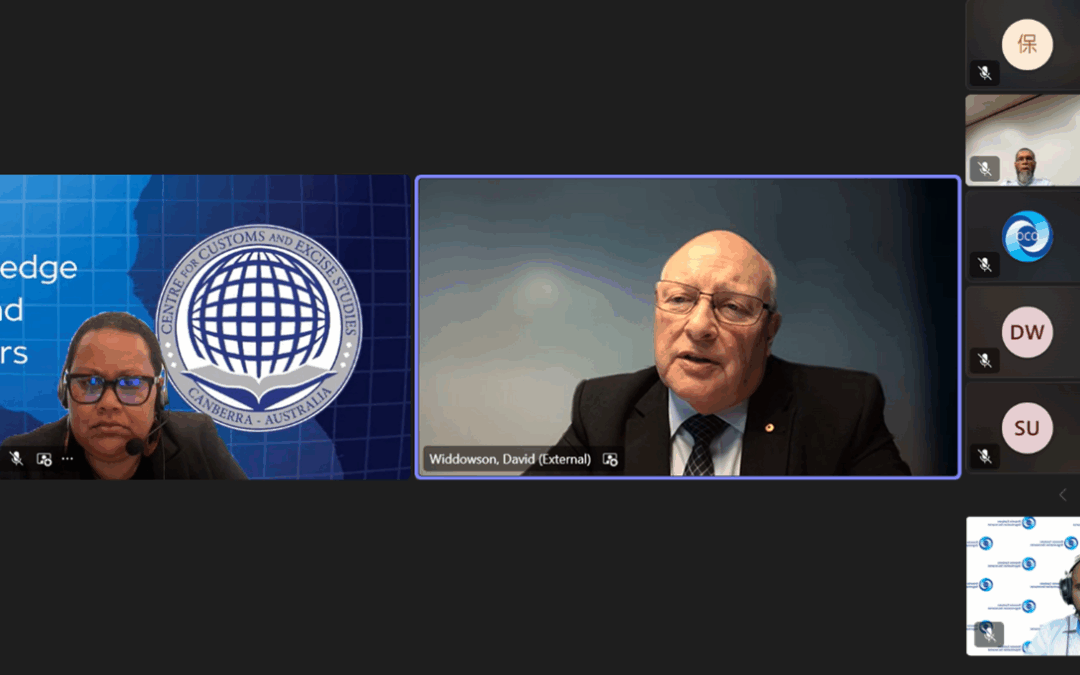
OCO launches dialogue to expand Authorised Operator Programmes across the Pacific
SUVA, Fiji. October 14 - Pacific Island nations are working to expand trusted trader programmes across the region to bring their businesses up to speed with global trade standards already operating in more than 90 countries worldwide.
The Oceania Customs Organisation has launched a three-phase dialogue to help member countries develop their own Authorised Economic Operator (AEO) frameworks similar to Australia's Trusted Trader Programme, Fiji's Authorised Economic Programme and New Zealand's Secure Exports Scheme.
Head of the OCO Secretariat, Ms Nancy Oraka, said the initiative represented "a significant step forward in our collective effort to modernise customs operations and strengthen trade facilitation throughout the Pacific".
AEO programmes certify trusted businesses in international supply chains, offering streamlined customs procedures in exchange for meeting security and compliance standards. Developed by the World Customs Organization in 2005, more than 90 countries now operate such schemes, with over 120 Mutual Recognition Arrangements (MRAs) allowing certified companies to enjoy expedited treatment across multiple borders.
In the European Union, companies report up to 30% faster clearance times. In the US, certified members face six times fewer inspections than non-certified traders.
OCO Operations Manager Ms Laisa Naivalurua said the dialogue addressed "one of the least implemented yet most critical trade facilitation measures in the Pacific".
Fiji became the 80th country globally to introduce an AEO programme in January 2019. FRCS representative Mohammed Riaz Shameem said the programme had delivered real benefits including deferred payment systems and expedited clearance, though challenges remained in strengthening company participation.
Papua New Guinea launched its Trusted Trader Program in October 2023. By April 2025, PNG Customs Service signed a Memorandum of Intent with EastWest Transport, making it the third freight forwarder in the trial phase. The initiative followed the launch of PNG's first Container Examination Facility to implement SAFE Framework requirements.
Tonga Customs has also been progressing with its own AEO implementation efforts.
Japan Customs representative Imaizumi Tatsuyuki told regional participants that the Pacific had "an opportunity to join this trusted network by tailoring international best practices to its own regional context".
The dialogue series provides a platform for OCO members to share experiences, with countries like PNG, Fiji, and Tonga sharing lessons learned. The programme continues with a second phase on 15 October 2025 focusing on framework design, followed by a final session on 12 November 2025 exploring implementation and sustainability.
ENDS