
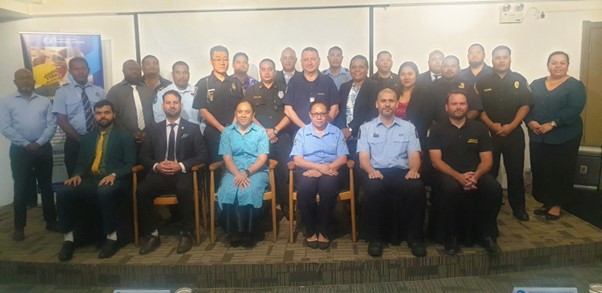
Figure 1: Regional Participants and facilitators at the Opening Ceremony of the Regional Training for OCO Intelligence Contact Points (ICPs) on Precursor Chemicals and Drug Trafficking Trends held in Nadi, Fiji
NADI, FIJI – 21 October 2025 – Customs intelligence officers from across the Pacific completed specialised training last week designed to combat the growing threat of fentanyl and synthetic drug trafficking in the region.
Officials from 18 OCO member administrations were in Nadi, Fiji, from October 13-17 for an intensive training on precursor chemicals and drug trafficking trends.
Ms Nancy Oraka, OCO Head of Secretariat, emphasised the critical importance of strengthening regional defences against the escalating drug threats that increasingly target the Pacific as a transit route.
The workshop also addressed mounting concerns that the Pacific is increasingly being used as a transit point for illicit narcotics, posing risks to national security, public health, and economic stability across the region.
Recent data shows that half of the countries in Oceania experienced an increase in the severity of illicit synthetic drug markets between 2021 and 2023, including New Zealand, Papua New Guinea, Fiji, Tonga, Samoa, Nauru and the Federated States of Micronesia. Oceania’s spike in synthetic drug markets | Global Initiative. Synthetic drug markets in Pacific Island countries are now second only to the cannabis trade, and in some cases have overtaken it Oceania’s spike in synthetic drug markets | Global Initiative.
Mrs Laisa Kubuabola-Naivalurua, OCO Operations Manager, warned that the interconnected nature of Pacific economies meant drug trafficking impacts would likely spread between island nations.
"The illicit drugs pandemic in our region may not be affecting all Pacific Island countries now, but our supply chains and financial markets are too interconnected that an impact in one Pacific Island economy will highly likely be felt in another," she said.
"Illicit drug trafficking continues to adapt through increasingly complex supply chains and concealment methods. Timely intelligence, rapid liaison, and shared operational experience are essential to keeping pace and protecting our communities."
A quick succession of drug busts in Fiji earlier this year saw the seizure of 3.5 tons of crystal methamphetamine followed by another 1.1 tons Illicit Drugs Are Undermining Pacific Security | United States Institute of Peace, putting the island nation on par with major seizures reported in global methamphetamine hubs like Thailand or Hong Kong.
The training, which included officers from Cook Islands, Commonwealth of the Northern Mariana Islands, Federated States of Micronesia, Fiji, Kiribati, Papua New Guinea, Nauru, Niue, New Caledonia, Palau, Republic of the Marshall Islands, Solomon Islands, Vanuatu, Samoa, Tonga, Tuvalu and territories such as American Samoa and Guam focused on identifying source countries and manufacturing hubs for precursors and synthetic drugs; understanding common trafficking routes and concealment techniques; and strengthening risk profiling capabilities at air and sea borders.
The training was provided by international experts from the UN International Narcotics Control Board, Australian Border Force, and the New Zealand Customs Service.
The training also provided the opportunity for the inaugural in-person gathering of the OCO Intelligence Contact Points Network, with participating officers establishing formal guidelines for sharing intelligence across the Pacific region.
The newly adopted framework sets out clear protocols for the rapid and secure exchange of information between member countries, allowing coordinated action against transnational criminal threats.
The programme is a key element of OCO's efforts to strengthen law enforcement capacity across member nations.
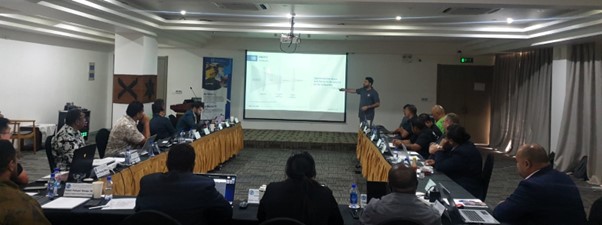
Figure 2: UN International Narcotics Control Board facilitator, Mr. Aleksander Piecyk during a session with regional participants.
END.