
Nadi, Fiji, November 25, 2025 – Customs organisations in the Pacific are advancing their digital systems to improve trade activities within the region and the world.
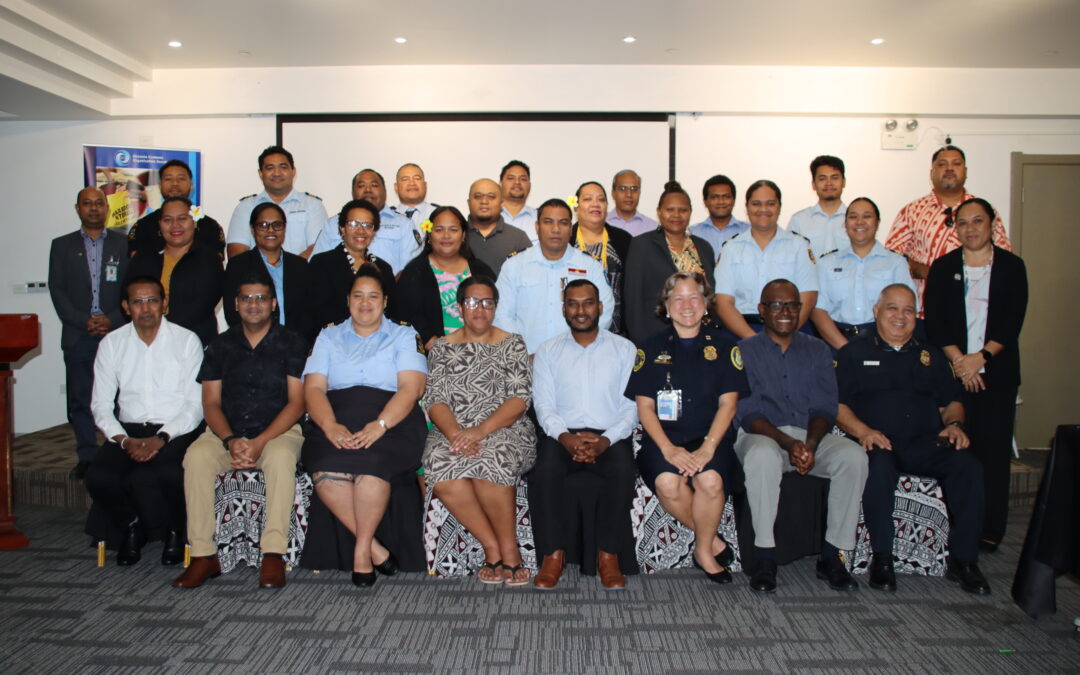
The Oceania Customs Organisation (OCO) Secretariat and the PACER Plus Implementation Unit concluded a four-day Digital Customs Workshop in Nadi last month, bringing together 23 participants from 15 member countries to plan and develop strategies towards paperless, efficient border operations.
The ‘Digital Customs Workshop: Advancing Trade Facilitation and Modernisation through Technology’ was an initiative by OCO seeing that its members were making great strides in automating border processes.
The workshop, held from October 27-30, highlighted the key principles of Digital Customs which was predictability, transparency and efficiency addressing growing concerns of trade delays and inefficiencies that have long plagued Pacific commerce.
PACER Plus Trade Advisor Alipate Tavo stressed the importance of Customs’ digital transition for regional development.
“Digital customs is a fundamental pillar for enabling trade facilitation and transparency. Through partnerships like this, PPIU continues to support the region in building the digital infrastructure and capacity required for modern customs and trade systems,“ Mr Tavo said.
OCO Trade and Revenue Management Advisor Sumeet Singh said regional teamwork is essential for successful digital upgrades.
“Going digital is the key to modernising Customs. It’s all about being transparent, fast and trustworthy. As Pacific nations, we need to work together on systems that don’t just connect our borders – they should boost our economies too,” Singh said.
The initiative aligns with international standards including the Revised Kyoto Convention, World Trade Organisation Trade Facilitation Agreement and supports the implementation of the Pacific Regional Trade Facilitation Strategy.
The workshop featured presentations from the United Nations Conference on Trade and Development, UN Economic and Social Commission for Asia and the Pacific, and Pacific Community. It also provided a platform for OCO members to share and learn from their respective digital Customs journeys.
Participants achieved five key outcomes during the workshop. They improved their understanding of digital Customs systems and skills in analysing trade data and also created draft national plans with specific timelines and priority actions for digital transformation.
The workshop also helped build the groundwork for important legal changes, including laws for electronic signatures and protecting data. It also strengthened working relationships between regional organisations.
More than half of OCO’s 24 members have already computerised their main clearance work representing a major progress towards fully digital Customs operations across the Pacific.
Participants also produced an outcome statement of the workshop, which recommended several follow-up actions including consolidating national roadmaps into a regional action plan with bi-annual progress reviews, developing a Digital Customs Legal Readiness Checklist, launching regional cybersecurity initiatives, and establishing sustained digital skills programmes.
These recommended actions will enable OCO members to “collectively overcome structural challenges, ensure faster trade flows and build stronger economic resilience for the region.”
PPIU Operations Manager Laisiana Tugaga who provided closing remarks at the workshop stressed the importance of working together.
“Together with our partners, we are laying the foundation for a connected, efficient and paperless Pacific customs community,” Ms Tugaga said.
The workshop represents part of ongoing PACER Plus Development and Economic Cooperation Work Programme efforts to ensure Pacific Island countries benefit equitably from digital transformation in international trade.
The digital transformation initiative comes at a crucial time for Pacific trade, as island nations seek to modernise their economies while maintaining competitive advantages in global markets.
-ENDS-