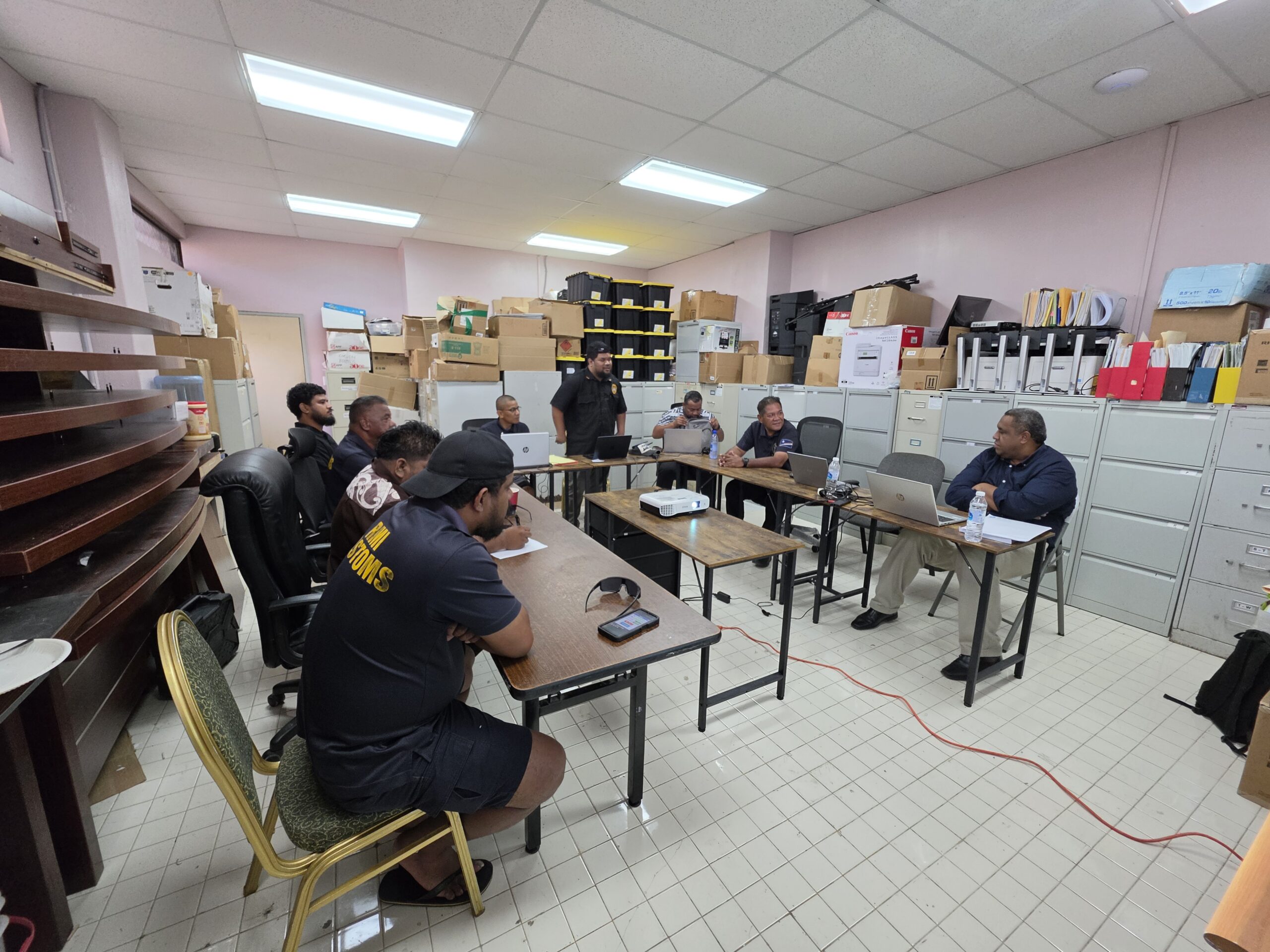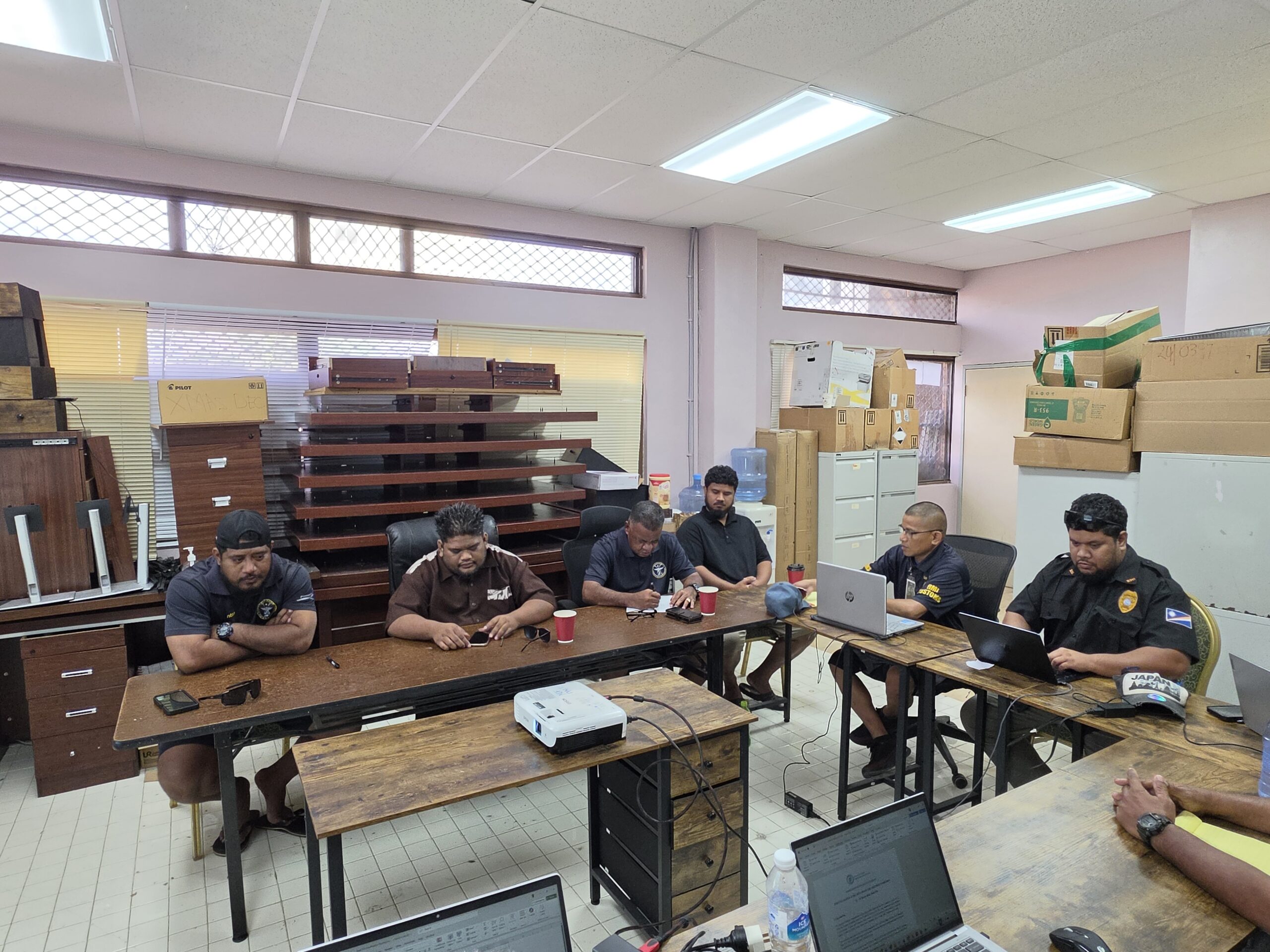
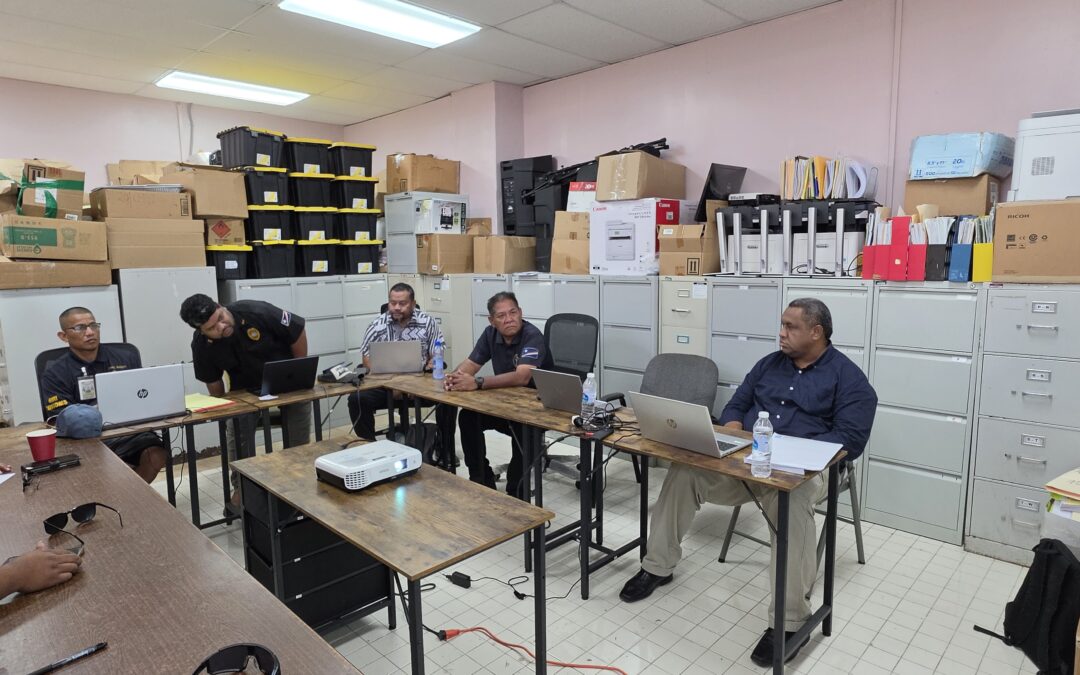
SUVA, FIJI — The Oceania Customs Organisation (OCO) has successfully completed a national-level training programme aimed at strengthening the technical capacity of Customs officers in Harmonised System (HS) classification, with the first in-country mission delivered in the Republic of the Marshall Islands (RMI) from 13 to 17 April 2026.
This initiative marks a strategic shift from regional training to country-specific, tailored capacity building, utilising Customs officers from the Pacific that became accredited trainers under the World Customs Organization (WCO)/Japan International Cooperation Agency (JICA) Master Trainer Programme (MTP). The deployment of these trainers directly to member administrations addresses practical and operational needs on the ground.
While OCO, in collaboration with the WCO/JICA MTP, previously delivered foundational and advanced regional workshops on HS and Customs Valuation in 2024 and 2025, experience has shown that technical competencies in these areas require reinforcement at the national level. This ensures that training is aligned with each country’s tariff structure, import profile and operational environment.
Small island administrations often face capacity constraints, including limited staffing, competing operational priorities and evolving legislative frameworks. The national-level deployment approach is designed to consolidate knowledge gained from regional workshops while building practical and sustainable in-country expertise.
The RMI mission marks the first deployment under this initiative with the deployment of a HS accredited expert from Fiji Revenue and Customs Service.
“This initiative reflects OCO’s commitment to ensuring that our small member administrations receive the hands-on technical support they need,” said OCO Operations Manager, Mrs. Laisa Kubuabola-Naivalurua. “Complimenting regional workshops with national deployments is a critical step in strengthening Customs capacity across the Pacific.”
In each beneficiary country, WCO/JICA MTP trainers deliver face-to-face training programmes tailored to the national context. The training covers the General Rules for the Interpretation (GRIs) of the HS, tariff classification using national tariff schedules, common misclassification challenges, and preparation for future HS updates.
Beyond technical training, the programme also focuses on knowledge transfer and sustainability, identifying and mentoring selected officers to serve as national HS focal points. These officers are equipped to cascade knowledge internally and support ongoing capacity development within their administrations.
The next deployment and training will be in Niue from May 11 to May 15. The programme is implemented under the OCO Strategic Plan 2022–2027 and directly contributes to Priority Area 4: Revenue management and compliance and Priority Area 5: Institutional Strengthening of small member administrations.
Strengthened HS classification capacity has direct implications for revenue mobilisation, risk management and trade facilitation across the Pacific — areas of increasing importance as the region deepens its engagement in international trade, including under frameworks such as the WTO and PACER Plus. ENDS